

2011YCompany incorporationNearly 15 years
Specializing in electronic connector R&D, production, and sales; committed to being your trusted partner.
With integrity, gratitude, innovation, premium service, shared growth; modern management, perfect quality and corporate image, gathering excellence, spreading culture, serving society and the public.
Widely used in industrial control, PCs, laptops, servers, computing boxes, and GPUs.
15 years in connectors: innovation-driven, management-backed, solid niche position. Future: greater R&D, broader footprint, deeper cooperation, a quality connector enterprise.
Comprehensive quality control, advanced equipment, and high-precision testing.
Certified High-Tech Enterprise, ISO9001 & ISO14001; standardized full-chain control, quality commitment, green manufacturing.
COMPANY STRENGTH
Dedicated to connector research, development, and manufacturing, with fiveteen years of deep experience in the field of electronic interconnection


PRODUCT SERIES
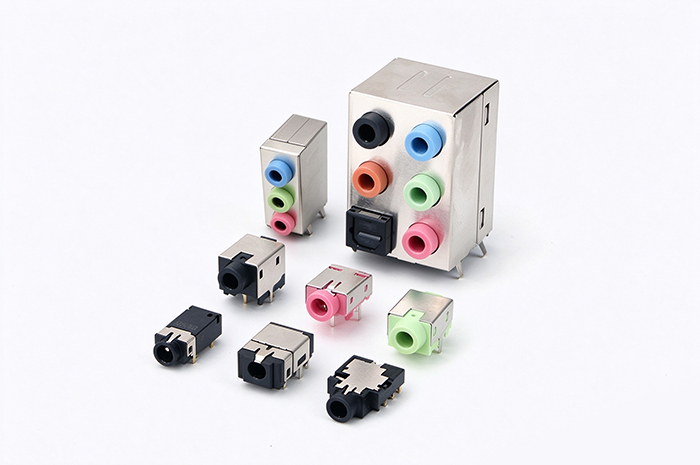
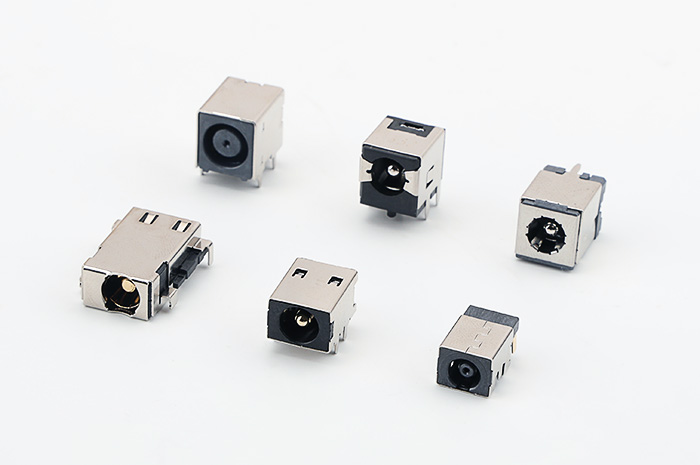
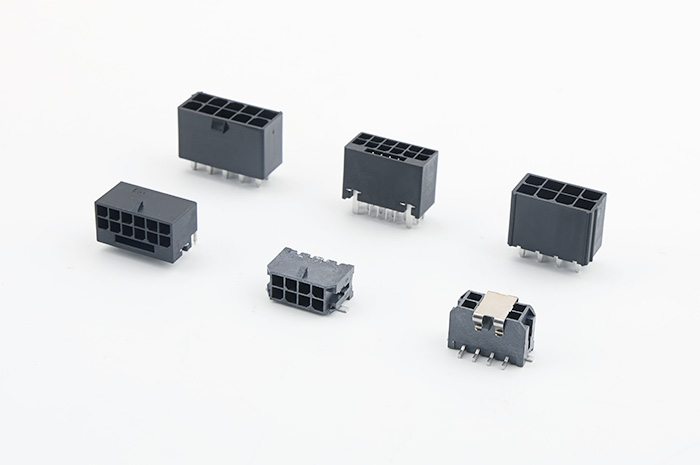
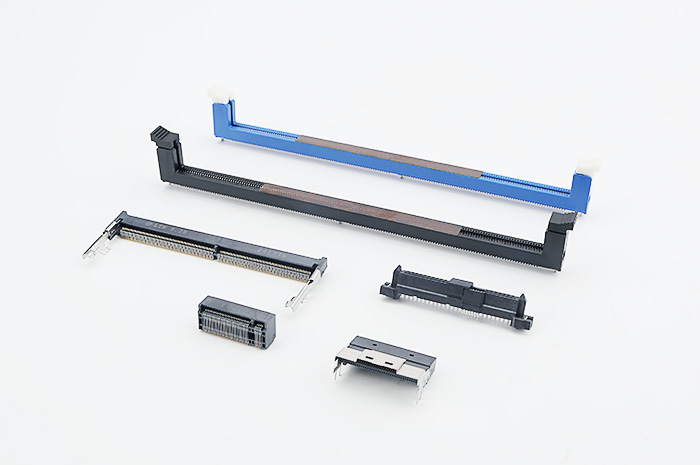
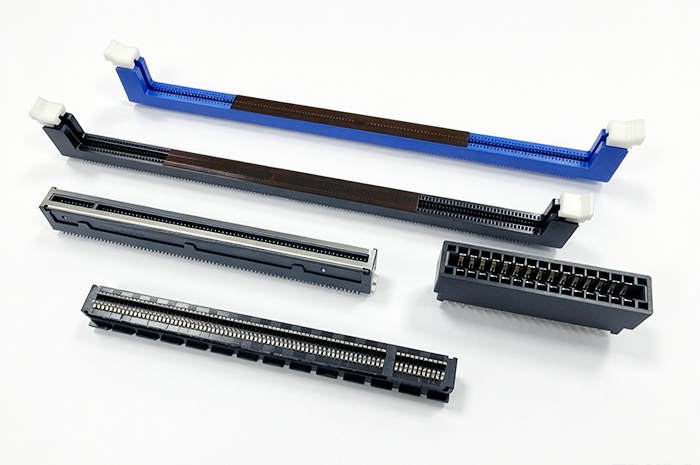
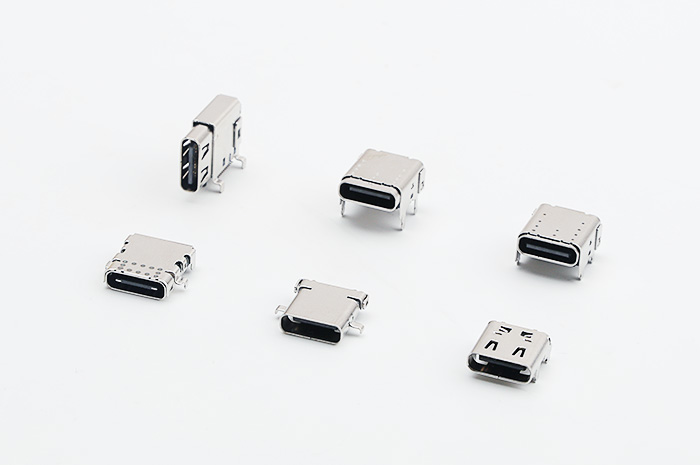
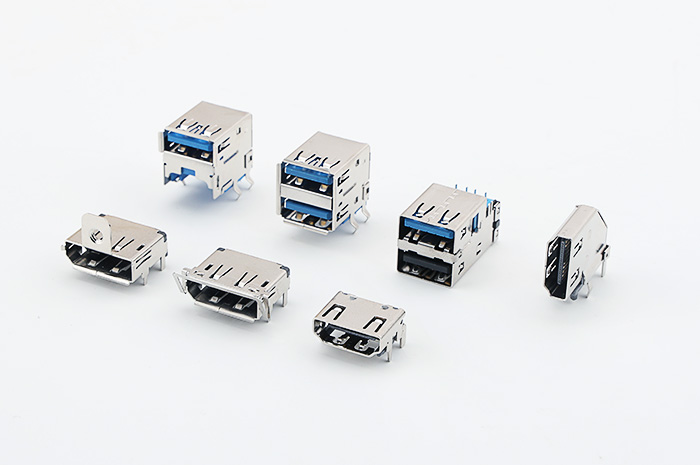
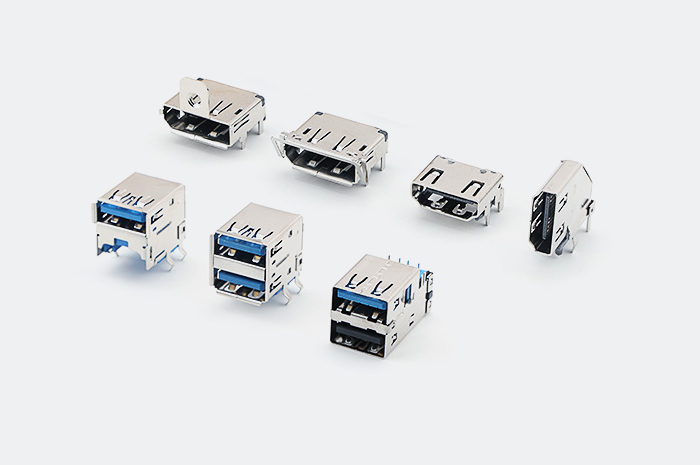
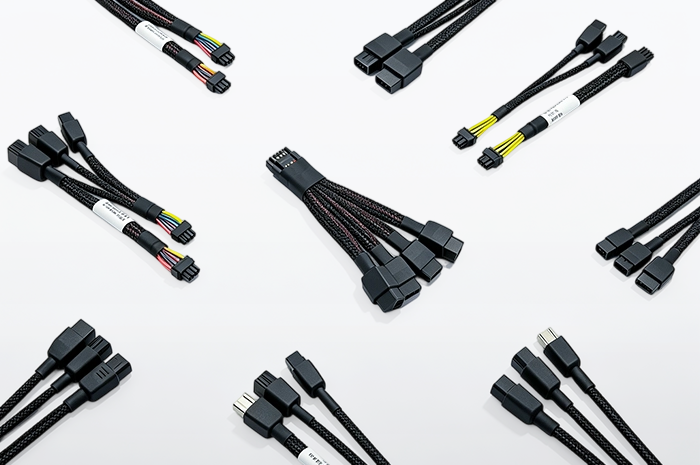
Manufacturing Strength
Relying on advanced equipment, high-precision testing instruments, a professional technical team, and a mature management system, we strike a balance between robust quality, excellent conductivity, and flexible customization capabilities, achieving stable and reliable long-term delivery and delivering cost-effective connector solutions for our customers.
Empowered by precise structure, it operates durably without malfunction and remains rock-solid even in harsh environments.
Be customer-centric, jointly build strategic alliances, and achieve win-win in the market.
Accelerate innovation and reduce costs, deeply invest in research and development, and provide a cost-effective one-stop connector solution.
Crafted with precision and intelligence, our products boast exceptional quality. We rigorously control every step of the process, ensuring stability and reliability.
Follow Bell's product innovation, certification progress, and industry trends.
TE Connectivity (Shanghai) Co., Ltd., a global leader in the connector industry, issued a price adjustment notice to its partners, announcing that it will implement price increases across its entire product line and in all regions effective January 27, 2026. This news quickly sent shockwaves through the supply chain, highlighting the widespread pressures and challenges facing the manufacturing sector amid inflation. As a key supplier in the industrial automation and electrical sectors, TE Connectivity (Shanghai) Co., Ltd.’s price adjustment will have multifaceted impacts on the connector and wiring harness industry.
4 million units shortfall! General-purpose DRAM is being sold out until 2028 Relevant institutions estimate that the crowding effect of HBM capacity squeezing out general-purpose storage capacity will continue until 2028. HBM's share of overall DRAM chip will rise from 19% in 2026 to 28% in 2028. With general-purpose DRAM supply continuously compressed and NAND capacity resources constrained, the supply-demand structure of the two major storage categories will be unlikely to shift to a more relaxed one in 2028. Estimates show that in 2027, the demand for HBM for GPUs and ASICs will be about 196 million units. If all are stacked with 12 layers, supply will be only 152 million, leaving a gap of 44 million chips. The 8-layer solution can produce more HBM chips on the same wafer, and after supply eases, it is still possible to switch back to the 12-layer layer. The rumored 4-layer solution is more of a bargaining tactic, making mass production difficult and
Mechanical failures of connectors include latch loosening, bent or broken pins, and cable breakage at the root, and occur more frequently on automated equipment and mobile devices. Mechanical damage is not entirely caused by rough handling; design details, wiring methods, and working conditions all affect the mechanical service life of connectors.
Abnormal connector overheating, yellowing of the casing, arcing, and a drop in insulation resistance are considered electrical failures. In severe cases, they can cause plastic melting and short-circuit tripping, posing safety risks to the entire set of equipment. Many people simply attribute overheating to product quality defects, but in reality, overload, abnormal contact, and environmental corrosion can all trigger such issues.
Intermittent connection, signal fluctuations, and occasional short interruptions in connectors are very common fault phenomena in industrial equipment on site. Many maintenance personnel will directly replace the connector when encountering a fault, but if the problem recurs, it indicates that the issue may not necessarily originate from the product itself and requires multi-dimensional troubleshooting.
Connectors, as key components for power and signal transmission in electrical systems, all have corresponding rated service cycles. However, in actual industrial equipment applications, affected by multiple factors such as selection, environment, and mechanical usage, connectors often experience premature failures. This can not only cause abnormal signal transmission but, in severe cases, lead to damage to the entire equipment. Below is a summary of four common causes of connector failures to aid equipment maintenance personnel in troubleshooting.